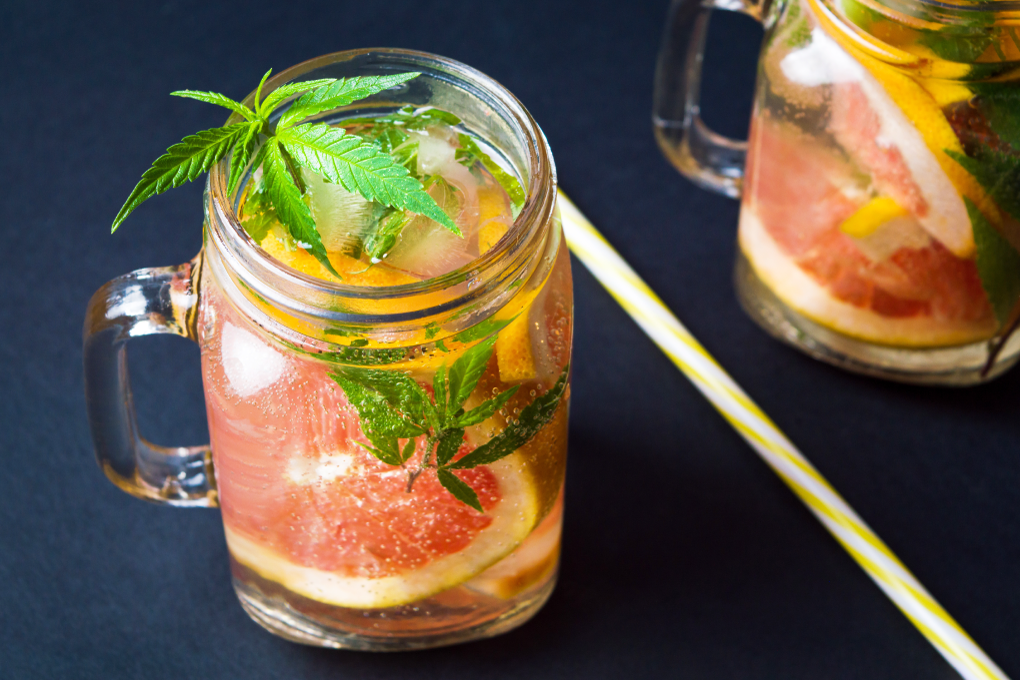
For years, cannabis products were largely associated with flower, pre-rolls, concentrates, and traditional edibles. While those categories continue to play a major role in legal cannabis markets, another segment has been steadily gaining attention: cannabis beverages. From infused sparkling waters and sodas to teas, coffees, mixers, and wellness-focused drinks, cannabis beverages have become one of the most discussed product categories in the industry.
Consumers are increasingly curious about these products, businesses are investing heavily in them, and retailers are dedicating more shelf space to beverage offerings. While cannabis beverages still represent a smaller share of overall sales compared to more established categories, their growth has attracted attention across the industry. Understanding why this category is expanding helps explain broader trends shaping the future of legal cannabis markets.
Cannabis beverages are drinks that contain cannabinoids derived from cannabis or hemp. Depending on the product and jurisdiction, these beverages may contain THC, CBD, or a combination of cannabinoids. Products are available in a variety of formats, including sparkling beverages, sodas, teas, coffees, energy drinks, mocktails, wellness beverages, and drink enhancers.
The category continues to evolve as manufacturers experiment with flavors, formulations, serving sizes, and consumer experiences. Some products are designed for occasional social use, while others are marketed toward wellness-focused consumers seeking alternatives to traditional product formats.
Unlike many cannabis products, beverages are immediately familiar to most consumers. People already understand how beverages fit into daily routines, social gatherings, and lifestyle habits. This familiarity has helped drive interest in the category.
One reason cannabis beverages have attracted attention is their accessibility. Many consumers who are unfamiliar with smoking or vaporization may feel more comfortable trying a beverage. Drinking a beverage is a familiar experience that requires little explanation.
Consumers are also increasingly interested in product formats that offer predictable serving sizes. Many beverages are packaged as single-serving products with clearly labeled cannabinoid content. This simplicity can make products easier to understand compared to some other categories.
Another factor is convenience. Beverages fit naturally into a wide variety of settings. Consumers may encounter them during social gatherings, meals, events, or relaxation at home. As product selection expands, consumers are discovering new ways beverages fit into their lifestyles.
The cannabis industry has evolved significantly over the last decade. Early legal markets were often centered around traditional product categories. As the industry matured, consumers began seeking new experiences and alternative consumption methods.
Some consumers prefer not to smoke. Others may simply enjoy having more choices. Beverage products provide an additional option within the broader cannabis ecosystem.
This trend reflects a larger pattern seen throughout consumer industries. As markets mature, product diversification often follows. Companies look for new ways to serve existing consumers while also attracting individuals who may not have been interested in traditional offerings.
Cannabis beverages are one example of this diversification in action.
Businesses throughout the cannabis supply chain have taken notice of growing consumer interest in beverages. Manufacturers continue launching new products, retailers are expanding selections, and investors frequently identify beverages as a category with significant long-term potential.
Part of the appeal lies in differentiation. The cannabis marketplace is increasingly competitive. Businesses are looking for ways to stand out, and beverages provide opportunities for innovation in flavor, branding, packaging, and consumer experience.
Retailers also benefit from offering a wider variety of product types. Consumers entering a store may have different preferences and comfort levels. By carrying beverages alongside more traditional products, businesses can appeal to a broader audience.
For brands, beverages create opportunities to establish unique identities and build loyal customer bases around recurring purchasing habits.
One frequently discussed aspect of cannabis beverages is their role in social settings. Consumers increasingly seek alternatives that fit naturally into gatherings, celebrations, and shared experiences.
Beverages already occupy an established place in social culture. Whether people are attending a party, hosting friends, dining out, or relaxing at an event, beverages are often part of the experience. Cannabis beverage manufacturers recognize this dynamic and continue developing products intended for these occasions.
This does not mean beverages will replace other cannabis categories. Rather, they provide an additional option that some consumers may prefer depending on the situation.
As consumer preferences continue evolving, flexibility and choice remain important drivers of market growth.
Innovation has played a major role in the rise of cannabis beverages. Early products often faced challenges related to flavor, consistency, and consumer expectations. Over time, manufacturers invested in research, product development, and production methods designed to improve the consumer experience.
Today's marketplace offers a wider variety of flavors, cannabinoid combinations, and serving options than ever before. Companies continue experimenting with new formulations while seeking ways to improve product quality and consistency.
This commitment to innovation helps keep the category relevant and encourages repeat consumer interest. New products provide opportunities for businesses to differentiate themselves while offering consumers more choices.
While enthusiasm surrounding cannabis beverages continues to grow, businesses must still navigate complex regulatory environments. Regulations vary significantly between jurisdictions, affecting product development, packaging, labeling, distribution, and marketing.
Companies operating in multiple markets often face different compliance requirements depending on location. This creates additional operational complexity and requires ongoing attention to regulatory developments.
For consumers, regulations can influence product availability and selection. The types of beverages available in one market may differ from those available elsewhere. Understanding local regulations remains important for both consumers and businesses.
Consumer education remains a critical component of category growth. Many consumers are familiar with beverages generally but may have limited knowledge about cannabinoid content, serving sizes, labeling, or product differences.
Businesses that invest in education often help consumers make more informed decisions. Clear product descriptions, accurate labeling, knowledgeable staff, and accessible educational resources all contribute to a better customer experience.
Education also supports transparency. As consumers become more informed, they are better equipped to evaluate products and understand the information provided by brands and retailers.
Despite strong interest, cannabis beverages still face challenges. Consumer awareness varies, regulations continue evolving, and competition within the category is increasing. Businesses must also manage production, distribution, and inventory considerations that can differ from other cannabis product types.
In addition, not every consumer will prefer beverages over traditional products. The category's growth depends on its ability to complement existing options rather than replace them.
Successful businesses recognize that long-term growth requires consistency, quality, education, and consumer trust.
Cannabis beverages matter because they represent more than a single product type. They demonstrate how the industry continues evolving to meet changing consumer preferences. The growth of beverages reflects broader trends involving innovation, accessibility, convenience, and product diversification.
As legal cannabis markets mature, categories that once seemed niche can become increasingly important. Beverage products illustrate how businesses are adapting to consumer demand while exploring new opportunities for growth.
The category also highlights the importance of consumer choice. Different consumers prefer different product formats, and a healthy marketplace benefits from offering a wide range of options.
Cannabis beverages have emerged as one of the industry's most talked-about product categories for good reason. Consumers appreciate familiar formats, businesses see opportunities for innovation, and retailers continue expanding product selections. While the category still faces challenges and remains subject to regulatory considerations, its growth reflects meaningful changes within the broader cannabis marketplace.
For consumers, cannabis beverages provide another way to explore legal cannabis products. For businesses, they offer opportunities to innovate, differentiate, and connect with new audiences. Whether viewed as a growing niche or an increasingly important segment of the market, cannabis beverages have become a category worth watching.
(Sources: MJBizDaily | Brightfield Group | National Cannabis Industry Association | Headset | Beverage Industry News)